Thinking about buying a lake home that also works as an investment? Lake Glenville near Cashiers and Highlands offers clear water, cool summers, and strong seasonal demand. But before you dive in, you’ll want a simple plan for rules, permits, financing, and lake-specific due diligence. This guide walks you through what matters most so you can invest with confidence. Let’s dive in.
Lake Glenville overview for investors
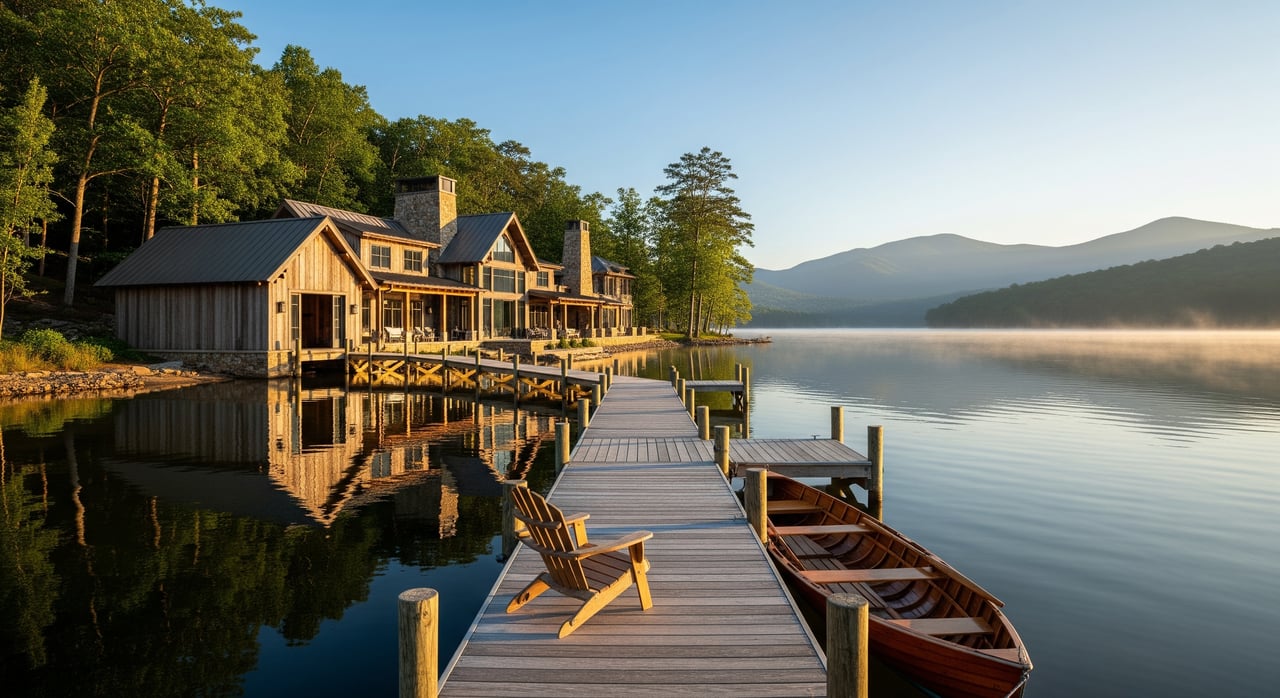
Lake Glenville is a high-elevation hydroelectric reservoir with deep, clear water and a mountain setting that draws visitors all summer and into fall. Duke Energy manages the dam, lake levels, and some recreation amenities. Recent improvements have added public beach access and facilities around the lake, which supports visitor appeal and rental demand. You can read more in Duke’s update on new amenities around Lake Glenville.
Water levels change over the year for power generation, maintenance, and environmental flows. Seasonal drawdowns can affect dock usability and boat access. Before you close or plan shoreline work, confirm current schedules and any planned drawdowns using Duke’s recreation and project updates.
Shoreline rights and docks
Shoreline ownership and docking rights vary by parcel. For reservoirs, utility easements and state rules can affect what you can build and where you can dock. Review the deed, plat, and any recorded easements carefully. North Carolina statutes on state lands and raised lands provide a framework for title questions on submerged or raised lands. Work with your attorney and closing team to confirm who controls docking permits and whether your parcel includes riparian rights.
Demand and seasonality in Cashiers/Highlands
Tourism in Jackson County is robust, with roughly one million visitors annually and hundreds of millions in visitor spending. According to the county’s tourism authority, visitor spending hit record levels in recent years. Peak rental demand runs from late spring through summer and during fall foliage. Winter is quieter except for holidays and ski weekends. Plan pricing and reserves around this seasonal curve, and validate expected occupancy and average daily rates with a local property manager.
Short‑term rental rules and local taxes
Short‑term rentals are legal in North Carolina, but local zoning can restrict where and how you operate.
State rules you should know
North Carolina’s Vacation Rental Act sets consumer protections and requires written agreements for stays under 90 days. Property managers face added compliance obligations, including new training and reporting requirements taking effect in 2025. Make sure your lease templates and management practices align with the Act.
Highlands vs. Cashiers zoning
The Town of Highlands has some of the strictest STR rules in the region, including prohibitions or limits in certain zones and amortization of some nonconforming STRs. Cashiers, which sits in unincorporated Jackson County, follows county rules that differ from Highlands. Always verify parcel zoning and STR eligibility with Jackson County Planning if you are outside Highlands, and check with the Town if you are inside municipal limits.
Occupancy tax and registration
If you rent your property, you must collect and remit state sales tax and Jackson County occupancy tax. Jackson County updated occupancy tax rules effective July 1, 2025. Marketplace platforms may remit some taxes on your behalf, but you are responsible for confirming registration and compliance. Set this up before your first booking.
Financing and insurance basics
Loan type changes the numbers
How a lender classifies your purchase affects rates, down payment, and cash reserve requirements.
- Second home: Often favorable pricing, but lenders typically require some reserves.
- Investment property: Usually higher rates, larger down payments, and more reserves. Fannie Mae guidance outlines minimum reserve requirements, and many lenders apply additional overlays. Get a written pre‑approval that states the loan type and required reserves so your numbers are accurate.
Flood and homeowners insurance
Lakefront does not always mean flood‑zone, but some parcels fall within FEMA Special Flood Hazard Areas. Pull a flood determination early using FEMA’s Flood Map Service Center and price flood coverage before you remove contingencies. Standard homeowners policies exclude flood and may need endorsements for STR use. Ask your insurer about liability limits, business‑use or STR riders, and any requirements for docks or boathouses.
Property systems, access, and operations
Septic, wells, and bedroom count
Many Lake Glenville homes use private wells and septic systems. Septic capacity can limit permitted bedrooms and rental marketing. Request permits and maintenance records and schedule inspections with Jackson County Environmental Health. Budget realistically for upgrades if you plan to add bedrooms or expand occupancy.
Mountain roads and winter access
Steep, winding roads and winter weather can affect year‑round usability, guest arrivals, and operating costs. Confirm road maintenance responsibility, assess driveway conditions, and plan for snow or ice management. Reliable local vendors for cleaning, maintenance, and emergency calls are essential if you plan to rent.
Smart due‑diligence checklist
Use this punch list to protect your investment:
- Water levels and recreation: Review Duke Energy’s Lake Glenville recreation updates for any drawdowns or project impacts.
- Deed and dock rights: Pull deed, plat, and easements. Confirm shoreline ownership, riparian rights, and who controls docking permits. See North Carolina’s statute on state lands for context.
- Flood risk: Order a flood certificate and check FEMA maps. Price flood insurance if any part of the parcel is in a Special Flood Hazard Area.
- Septic and well: Verify existing permits, capacity, and setbacks. Schedule inspections with Jackson County Environmental Health.
- Zoning and STR eligibility: Confirm jurisdiction and permitted uses with Jackson County Planning or the Town of Highlands, depending on location.
- Occupancy tax and compliance: Register for state and county taxes and confirm who remits on marketplace platforms.
- Financing and insurance: Obtain a lender pre‑approval that specifies second home vs investment, reserve requirements, and get home, flood, and STR liability quotes in writing.
- Market validation: Request prior booking history and speak with a local property manager for current ADR and occupancy projections.
Investing on Lake Glenville can be both a lifestyle win and a smart play if you go in with clear facts and a tight plan. If you want local guidance on zoning, dock rights, inspections, or rental setup, our team is here to help. Reach out to NC Mountain Real Estate to start a focused search and build a clean, compliant investment plan.
FAQs
What should I confirm before buying a Lake Glenville waterfront home?
- Verify dock rights in the deed and recorded easements, check FEMA flood status, confirm septic capacity, and validate STR eligibility with local planning.
How do Highlands and Cashiers STR rules differ?
- Highlands has stricter limits and amortization in some zones, while Cashiers follows Jackson County rules that differ from town policies. Always verify the exact parcel’s jurisdiction and zoning.
Will I need flood insurance for a Lake Glenville property?
- If FEMA maps show your parcel in a Special Flood Hazard Area or your lender’s determination requires it, you will need flood insurance. Many owners choose coverage even when it is not required.
What taxes apply if I rent my lake home?
- You must collect North Carolina sales tax plus Jackson County occupancy tax and follow county registration and remittance rules. Marketplace platforms may remit some taxes, but you must confirm compliance.
How do lenders treat second homes vs investments?
- Investment loans usually have higher rates, larger down payments, and more required reserves than second‑home loans. Get a written pre‑approval that states the classification so your underwriting is accurate.
According to Duke Energy’s update on Lake Glenville amenities
Jackson County tourism spending reached record levels
North Carolina Vacation Rental Act
Jackson County occupancy tax guidance
Highlands STR regulations overview
Jackson County Planning, Cashiers area
Jackson County Environmental Health, onsite systems