Hooked on the Blue Ridge: A Guide to Fishing in Western North Carolina
Western North Carolina (WNC) is a true angler's paradise. Tucked away in the ancient Blue Ridge Mountains, this region is a tapestry of cold, clear mountain streams, vast lakes, and scenic rivers teeming with diverse fish populations. Whether you're a seasoned fly fisherman or looking to take the family on a relaxing day trip, WNC offers a fishing experience for everyone.
This guide will help you navigate the waters of WNC, from the prime trout streams to the best spots for smallmouth bass.
What's Biting? A Look at the Fish of WNC
The stars of the show in WNC are undoubtedly the trout. The region is home to a robust trout fishery, primarily consisting of three species:
-
Brook Trout: North Carolina's only native trout species, these beautiful fish are found in the highest, coldest, and most remote streams. Catching a wild "brookie" is a special experience, known for their vibrant markings and spirited fight.
-
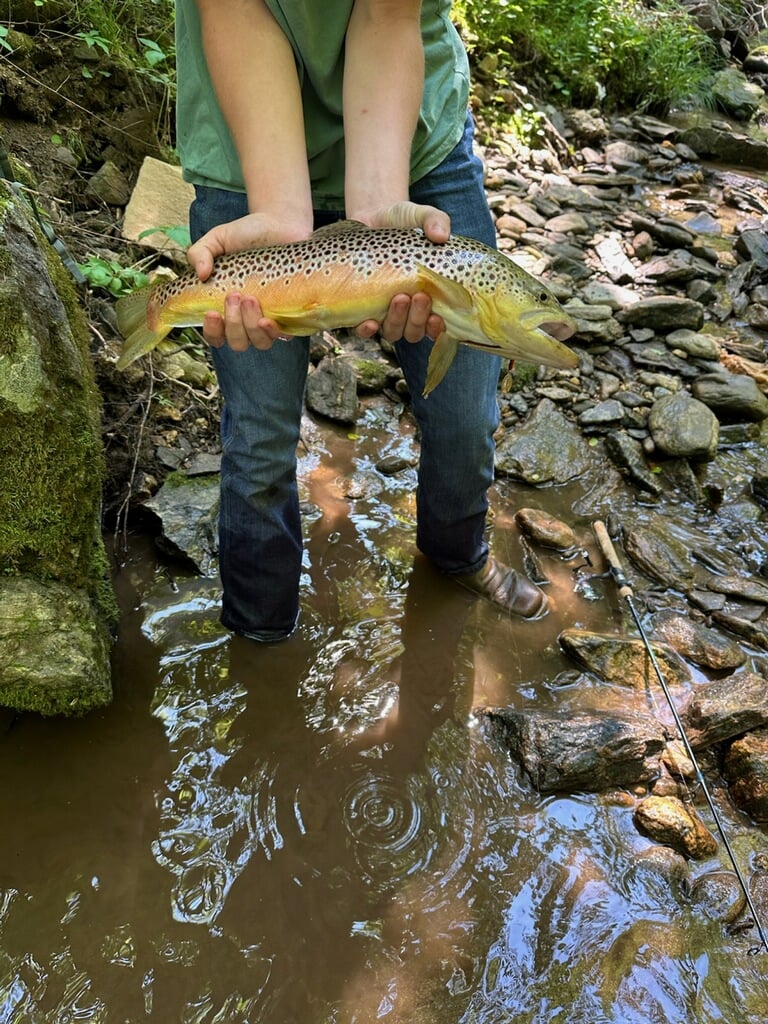
Brown Trout: Known for their hardiness and large size, brown trout can be found in many of the area's larger rivers and streams. They are often a target for anglers looking to land a trophy fish.
-
Rainbow Trout: A favorite for many anglers, rainbow trout are plentiful in both stocked and wild waters. They are known for their feisty nature and acrobatic jumps when hooked.
While trout are the main draw, WNC's rivers and lakes also offer fantastic fishing for other species:
-
Smallmouth Bass: The French Broad and Tuckasegee Rivers are famous for their excellent smallmouth bass fishing. These bronze-backed fighters offer a thrilling challenge, especially during the warmer months.
-
Muskellunge (Muskie): For the truly dedicated angler, the French Broad River is one of the few places in the Southeast to target the elusive muskie, an apex predator that can grow to impressive sizes.
-
Other Panfish & Species: Lakes and slower-moving rivers are home to a variety of other popular species, including crappie, walleye, and various panfish like bluegill and rock bass.
Where to Cast Your Line: Top Fishing Spots
With hundreds of miles of streams, it can be hard to know where to start. Here are some of the most popular and productive fishing destinations in WNC:
-
The Davidson River: Located in Pisgah National Forest near Brevard, the Davidson is a world-class trout stream. Its clear waters and abundance of large, well-fed fish make it a fly fisherman's dream. A significant portion of the river is "Catch and Release/Artificial Flies and Lures Only," which helps the trout grow to impressive sizes.
-
The Tuckasegee River: Affectionately known as "the Tuck," this river is famous for its versatility. The WNC Fly Fishing Trail is centered around this river, offering a mix of hatchery-supported, delayed harvest, and wild trout sections, as well as opportunities for smallmouth bass. It's a great spot for both beginners and experts.
-
The French Broad River: Flowing right through Asheville, the French Broad is a warm-water river perfect for smallmouth bass, muskie, and catfish. Float fishing is a popular way to explore this ancient river.
-
Cherokee Trophy Waters (Raven Fork): If you're looking for a monster trout, this is the place to go. Located on the Qualla Boundary, this section of the Raven Fork requires a special permit and is strictly catch-and-release, allowing the fish to grow to incredible sizes.
Understanding WNC's Trout Water Classifications
North Carolina has a unique system for managing its trout waters, and understanding the regulations is key to a successful (and legal) trip. Look for signs along the streams to know which rules apply.
-
Hatchery Supported: These waters are stocked regularly by the NC Wildlife Resources Commission. They have a liberal season and creel limit, making them a great option for beginners and for a high-probability day of catching fish.
-
Delayed Harvest: From October to the first Saturday in June, these waters are catch-and-release only with artificial lures. This allows stocked trout to grow and spread out. After the spring season opening, they revert to hatchery-supported regulations.
-
Wild Trout: These streams are home to self-sustaining populations of native and wild trout. They are often more remote and require more skill to fish. Regulations are more restrictive to protect these delicate populations.
-
Catch and Release/Artificial Lures Only: As the name suggests, fishing in these waters is strictly for the sport. No fish may be kept, and only single-hook artificial lures are permitted.
Essential Tips for Your Trip
-
Get Your License: A North Carolina fishing license is required for anyone 16 or older. You can purchase one online from the NC Wildlife Resources Commission or at a local bait and tackle shop.
-
Check the Regulations: Always double-check the specific regulations for the water you plan to fish, as rules can vary by season and location. The NCWRC website is an excellent resource.
-
Hire a Guide: If you're new to the area or want to learn the ropes, a local fishing guide can provide invaluable knowledge of the best spots, techniques, and local entomology.
-
Practice Leave No Trace: WNC's natural beauty is its greatest asset. Remember to pack out all your trash and respect the land and wildlife.
With its breathtaking scenery and abundant fisheries, Western North Carolina is a destination that will keep you coming back for more. So, pack your gear, check your license, and get ready to get hooked on the magic of fishing in the Blue Ridge.